

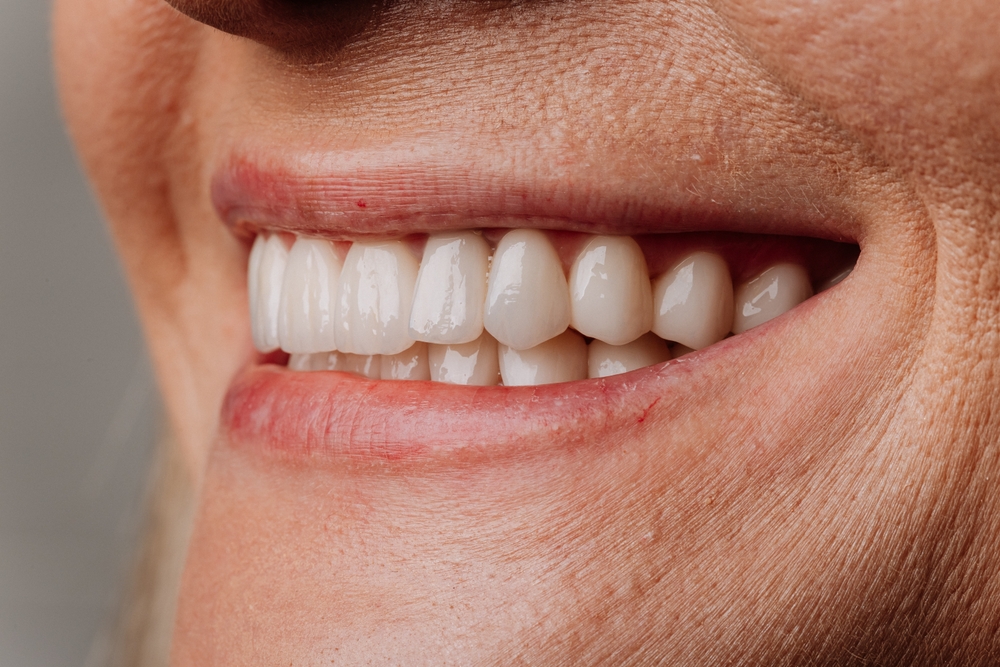
If you’ve ever pointed at someone’s tooth and wondered “what is that implant,” this guide will explain it in simple terms. You’ll learn what the visible parts are, why dentists use implants, who is a good candidate, and what to expect from the process. This is meant to clear up the mystery without medical jargon and help you feel confident asking your dentist smart questions.
What Is That Implant? A Simple Answer
A dental implant is a small titanium post placed in the jaw to replace a missing tooth root. What most people notice are the crown (the tooth you see), the abutment (a connector), and sometimes a temporary healing cap during recovery. Together these parts look and function like a natural tooth.
Parts Of A Dental Implant — What You’re Seeing
The implant post (root)
The implant post is a metal screw, usually titanium, that a dentist surgically places into the jawbone. It acts like a tooth root, holding the rest of the restoration steady. Over time bone grows around it to lock it in place.
The abutment
The abutment is a small connector attached to the top of the implant post. It links the post to the crown or bridge. Sometimes the abutment is visible briefly, especially during healing, but it’s usually covered by the final crown.
The crown (the tooth you see)
The crown is the visible part that looks like a regular tooth. Crowns are made from materials like porcelain or zirconia and are color-matched to your other teeth. They’re shaped to fit your bite and restore chewing and appearance.
Common Types Of Implants You Might Spot
Endosteal implants are the most common — posts placed directly in the jawbone for single teeth or small bridges. Subperiosteal implants sit on top of the bone under the gum and are rare now. Specialty solutions include zygomatic implants for people with severe upper jaw bone loss and All-on-X systems for full-arch replacements. Each type is chosen based on how much bone a person has and the treatment goals.
Why Dentists Recommend Implants
Dentists recommend implants because they look and feel like real teeth and can last many years. Implants help preserve jawbone that would otherwise shrink after tooth loss. They also keep nearby teeth from shifting and improve chewing, speech, and confidence compared with removable options.
Who Is A Good Candidate — and When To Be Cautious
Good candidates are generally in good health, have healthy gums, and enough jawbone to support an implant. People who smoke heavily, have uncontrolled diabetes, or have had significant bone loss need extra evaluation. Older age alone is not a problem, but complex medical issues or radiation treatment to the head and neck may change the plan.
What To Expect: The Implant Process In Plain Steps
Consultation and imaging
Your dentist will review your health, take X-rays or a CBCT scan, and make a plan. Imaging shows bone level, nearby nerves, and sinus position so the surgeon can place the implant safely.
Surgery and placement
On surgery day you’ll get local anesthesia and possibly sedation. The dentist or surgeon places the implant into the bone. Most people have mild to moderate soreness after, which is managed with over-the-counter pain relievers and short rest.
Healing (osseointegration)
Over weeks to months, the bone fuses tightly to the implant — this is called osseointegration. Healing time varies but often takes 3–6 months. During this time you may have a temporary crown or denture for appearance and chewing.
Final restoration
Once healed, the dentist attaches an abutment and then the final crown, bridge, or denture. The dentist checks fit, bite, and appearance and makes small adjustments so the new tooth feels natural.
Care And Maintenance — How To Keep An Implant Healthy
Treat an implant like a natural tooth: brush twice a day, floss daily, and see your dentist regularly. Watch for redness, swelling, loosening, or persistent pain and report these right away. Protect implants from hard habits (ice chewing, hard candy) and use a night guard if you grind your teeth.
Costs, Insurance, And Questions To Ask
Costs vary by how many teeth you need, whether bone grafting or extra surgery is required, and the type of final restoration. Many dental plans limit implant coverage. Ask your dentist about itemized estimates, financing options, and whether they coordinate with medical insurance for related procedures. Useful questions: How many implant cases do you do yearly? What materials and labs do you use? What is the expected timeline and total cost?
Looking For Help? Where To Get Trusted Answers
If you’re near Seminole, FL and want a clear, personalized answer to “what is that implant,” NuSmile Dental in Seminole, FL offers implant consultations and advanced implant options. Dr. Nadia ONeal brings extensive international implant and cosmetic training, and Dr. Ryan Serra is a board-certified periodontist who focuses on gum and implant surgery. They work together using modern imaging and full-arch solutions when needed. If you’ve seen an implant or are considering one, schedule a consultation to get a clear explanation and a step-by-step plan for your situation. A short visit and a few images can turn mystery into a clear path forward.