

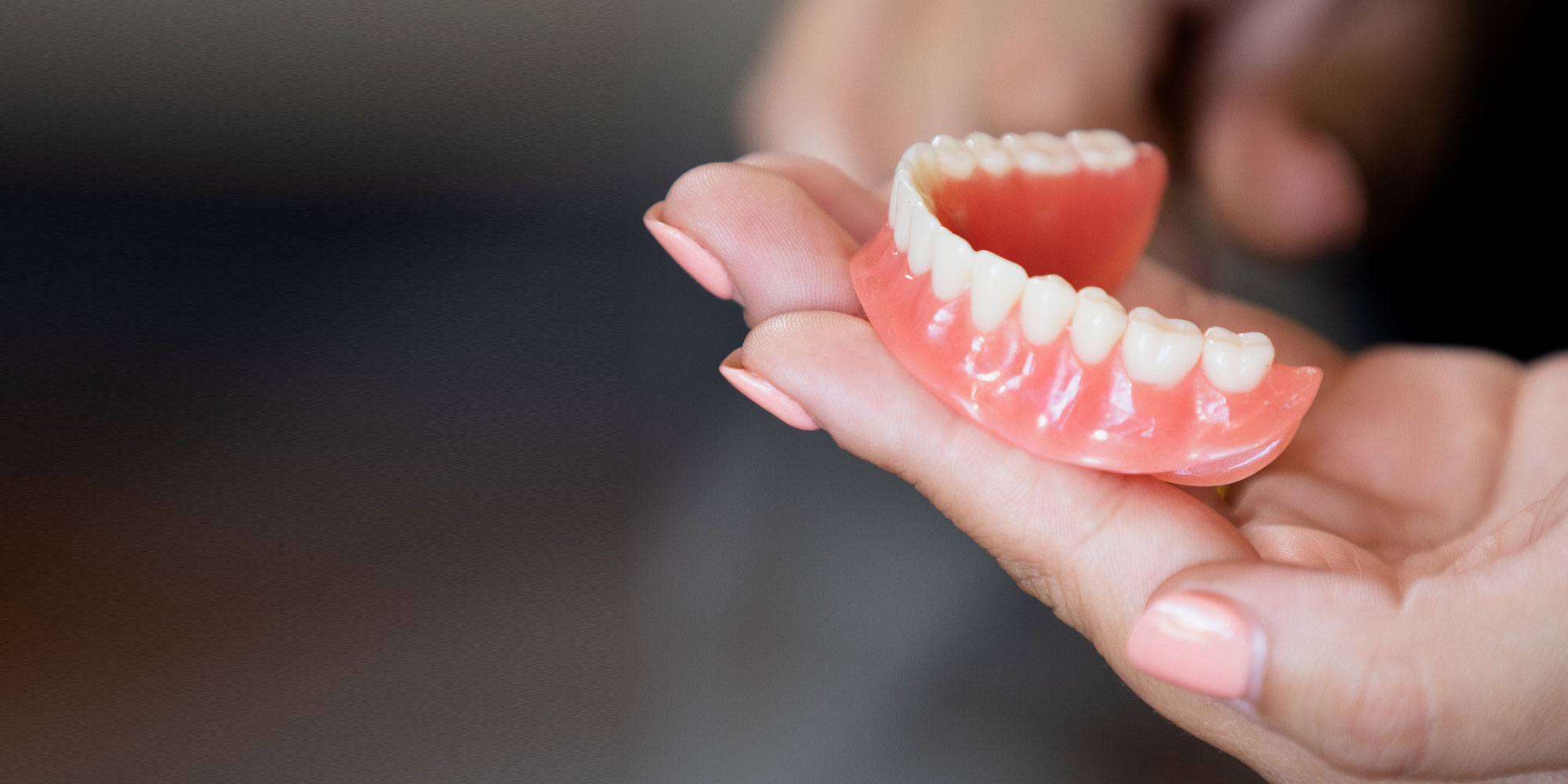
For millions of people, dentures offer a way to smile, speak, and eat again after losing natural teeth. But what many long-term denture wearers aren’t told is this:
Dentures are not a long-term solution for oral health—and staying in them too long can have serious consequences.
At NuSmile Dental, we care about far more than replacing teeth. We focus on protecting your total health, your bone structure, your nutrition, your confidence, and your long-term quality of life. If you or someone you love currently wears dentures, understanding these risks can help you make informed decisions before the damage becomes irreversible.
Why Dentures Don’t Act Like Real Teeth
When natural teeth are lost, the bone that once supported them begins to shrink. This process—called bone resorption—is rapid at first and continues throughout life.
Traditional dentures sit on top of the gums but do nothing to stimulate bone, meaning bone loss continues unchecked. Over time, this leads to loose dentures, facial changes, impaired chewing, and more complex health concerns.
The Health Consequences of Wearing Dentures Too Long
1. Accelerated Bone Loss & Facial Collapse
Without stimulation, the jawbone shrinks year after year. This leads to:
- A sunken or “collapsed” facial appearance
- Thinner lips and changes in bite
- Difficulty wearing dentures comfortably
- Challenges placing dental implants later without bone grafting
Some patients lose several millimeters of bone in just the first months after extractions.
2. Reduced Chewing Efficiency & Nutritional Deficiencies
Dentures provide only a fraction of natural chewing power. Many wearers avoid foods like vegetables, nuts, and meats—leading to:
- Vitamin deficiencies
- Reduced immune health
- Higher systemic inflammation
- Increased mortality risk (edentulous patients show up to a 30% higher risk of death compared to those with natural teeth)
3. Chronic Trauma & Micro-Damage to Bone
Every denture movement—every “bounce”—creates microtrauma to the bone ridge.
Over time, this:
- Accelerates bone loss
- Creates sore spots and ulcers
- Makes dentures increasingly unstable
4. Higher Risk of Infection & Inflammation
Many denture wearers sleep in their dentures or wear them too long. This contributes to:
- Fungal infections (like Candida)
- Denture stomatitis
- Ulcers and tissue irritation
- Increased bacterial load and systemic risks
Loose dentures can even cause exposed bone in severe cases.
5. Emotional & Social Impact
When dentures slip, click, or shift, confidence suffers. Studies show long-term denture wearers often experience:
- Anxiety about eating in public
- Speech challenges
- Premature aging of facial features
- Social withdrawal
6. Possible Cognitive & Systemic Effects
Early research suggests that chewing efficiency may affect brain function. Proper oral function may support slower cognitive decline in older adults.
This reinforces dentistry’s connection to whole-body wellness.
Comparison: Dentures vs. Modern Implant Options
| Feature / Outcome | Conventional Denture | Snap-On / Implant-Retained Denture | Fixed Implant-Supported Bridge/Prosthesis |
|---|---|---|---|
| Stability / Fit | Relies on suction or adhesives; loosens as bone resorbs. | Snaps onto implants; significantly improved retention and movement control. | Fixed in place; functions and feels closest to natural teeth. |
| Bone Stimulation | None — accelerates bone loss. | Partial stimulation via implants slows bone loss. | Full stimulation; best for long-term bone preservation. |
| Chewing Efficiency | Lowest chewing power. | Moderate — better than dentures alone. | Highest — closest to natural teeth. |
| Comfort & Speech | May shift, click, or cause sore spots. | More stable with fewer pressure points. | Most natural comfort and speech clarity. |
| Maintenance | Frequent relines and adjustments. | Periodic maintenance of attachment components. | Routine hygiene; no relines needed. |
| Longevity | Typically 5–10 years before needing replacement. | Good longevity; attachment parts may need periodic replacement. | Excellent long-term success with proper implant care. |
| Upfront Cost | Lowest cost. | Moderate to higher investment. | Highest upfront cost. |
| Suitability with Bone Loss | Often unstable with significant bone loss. | More forgiving; requires minimal bone. | Requires adequate bone or grafting. |
Taking Action Early Protects Your Future
Waiting too long often reduces your treatment options. As bone disappears:
- Costs increase
- Surgery becomes more complex
- Implant placement becomes more challenging
- Results may be less predictable
Early intervention is the best way to preserve health, function, and appearance.
Helpful Tips for Current Denture Wearers
Even if you’re not ready for implants yet, you can protect your health by:
- Removing dentures nightly
- Cleaning them and soaking them properly
- Seeing your dentist regularly
- Replacing or relining dentures as needed
- Asking early about implant-retained options
Your Oral Health Is Foundational — You Deserve More Than Just Dentures
Losing teeth does not need to define the rest of your life. Modern dental implant technology allows patients to:
- Preserve bone
- Restore confidence
- Improve chewing and nutrition
- Look younger and healthier
- Reduce long-term medical risk
At NuSmile Dental, our mission is simple:
Protect your health, restore your function, and help you smile confidently for life.
If you’re in dentures—or have been told that dentures are your only option—we invite you to schedule a consultation and explore stronger, healthier alternatives.