

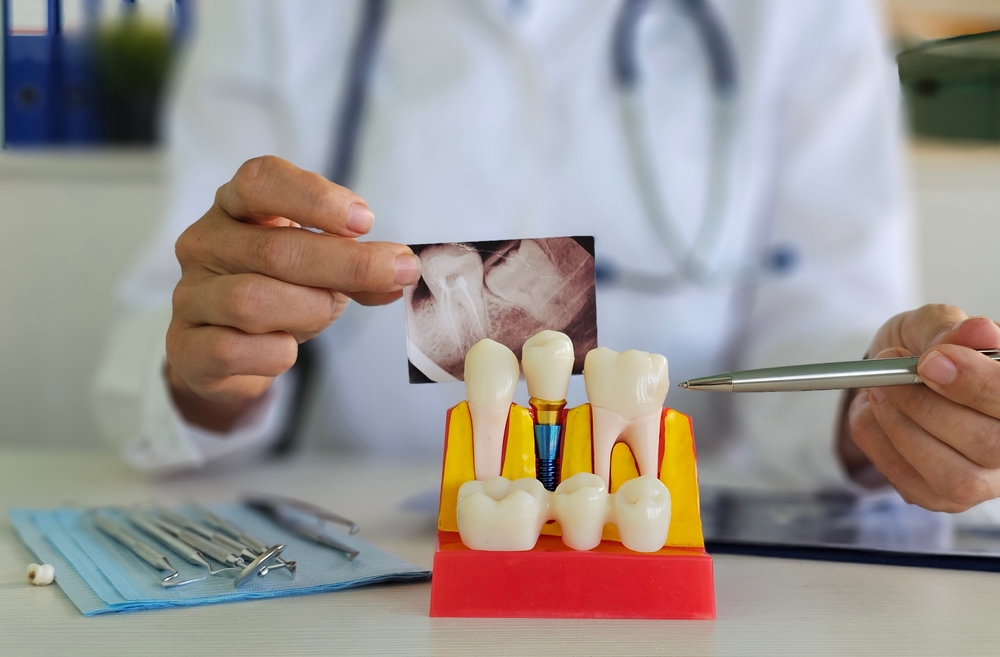
Medical implants cover many devices beyond dental implants. They can replace missing parts, support failing tissue, or deliver life-saving therapy. This post explains what medical implants are, common types you may hear about, how they work, benefits and risks, when dental implants are the right choice, how to pick a provider, and simple next steps. If you’re researching medical implants by Seminole, Florida, this guide will help you ask the right questions and prepare for a consult.
What are medical implants?
Medical implants are devices placed inside the body to replace or support biological functions. Examples include tooth roots, hip joints, pacemakers, and cochlear devices. The main goals are to restore function, relieve pain, prevent further damage, and improve quality of life.
Common types of medical implants
Dental implants
Dental implants use a metal post (usually titanium) placed in the jaw to act like a tooth root. A crown attaches to the post. Unlike removable dentures, implants are fixed and help preserve bone and chewing function.
Orthopedic implants
These include hip and knee replacements, plates, screws, and rods used after fractures. Orthopedic implants restore mobility and reduce pain from arthritis or injury.
Cardiac and neural implants
Pacemakers and implantable cardioverter-defibrillators (ICDs) help control heart rhythm and can be life-saving. Neurostimulators send electrical signals to relieve chronic pain or control movement disorders.
Hearing and contraceptive implants
Cochlear implants restore hearing for some people with severe hearing loss. Contraceptive implants and IUDs provide long-term birth control by releasing hormones or acting as barriers.
How medical implants work and what to expect
Most implants are made from biocompatible materials like titanium, ceramics, or medical-grade plastics so the body accepts them. After placement, tissue grows around the implant to stabilize it. Healing times vary: dental implants may take 3–6 months to fully integrate, while some orthopedic implants allow activity sooner. Your provider will explain timelines based on the device and your health.
Benefits and risks of medical implants
Benefits include restored function, better comfort, and longer-lasting results compared with temporary fixes. Risks include infection, implant loosening or failure, allergic reaction, or the need for revision surgery. To reduce risks: follow wound care instructions, keep regular follow-up visits, report unusual pain or swelling, and maintain good oral or personal hygiene as directed.
When dental implants are the right choice among medical implants
Dental implants are a strong option for people with one or more missing teeth, poor-fitting dentures, or progressive bone loss. Candidates should have healthy gums and enough bone; if not, pre-implant treatments like bone grafting or gum therapy may be needed to create a stable foundation.
How to choose the right provider for implant care
Ask about training, number of cases performed, and technology used. Key questions: – What is your implant training and certification? – How many similar procedures have you done? – Do you use digital planning or 3D imaging? – Can I see before-and-after photos and patient outcomes? – What is your follow-up and warranty policy? For complex cases, a team approach (periodontist + implant dentist) improves outcomes.
Why patients choose NuSmile Dental for dental implant care
NuSmile Dental offers advanced implant solutions, digital planning, and compassionate care. The team focuses on personalized plans to restore function and confidence while keeping patients informed and comfortable.
Credentials to note
– Dr. Nadia ONeal — extensive implant training, Misch Implant Institute fellowship, LVI graduate, and advanced international implant education. – Dr. Ryan Serra — board-certified periodontist specializing in implant surgery, gum and bone grafting.
Next steps and quick patient tips
To start, schedule a consultation and bring your medical history, current medications, and any recent dental x-rays or photos of your smile. If you’re exploring medical implants by Seminole, Florida, call to discuss options and prepare questions. A clear history and good communication help ensure the best plan for your needs.