

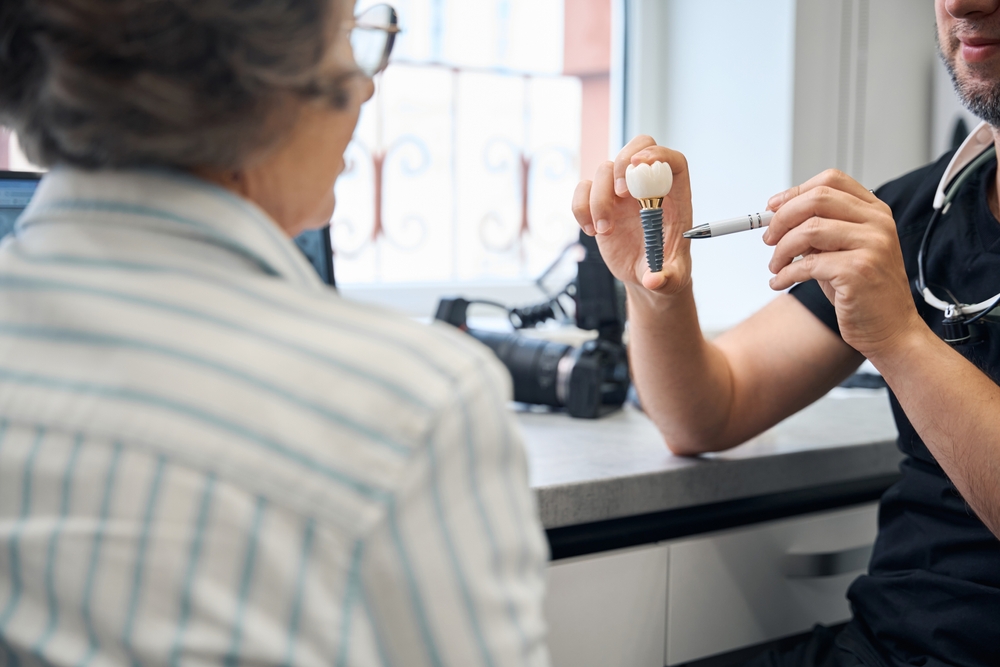
If you’re wondering “how common are dental implants,” the short answer is: very common and growing. Millions of people worldwide have chosen implants to replace missing teeth. This post gives quick stats and trends, the main benefits, a plain-language procedure timeline, who’s a candidate, costs and insurance basics, risks and care, and clear next steps if you want to learn more.
How common are dental implants? Quick statistics and trends
Dental implants are one of the fastest-growing dental treatments. Millions of implants have been placed globally, with hundreds of thousands added each year in the U.S. Use is highest among adults over 50, but implants are increasingly used for full-arch restorations like All-on-X across older age groups. Typical success rates range roughly 90–98%, and demand continues to rise as techniques and technology improve.
Top benefits of dental implants
Function and chew strength
Implants replace both the tooth and its root, giving bite force and stability close to natural teeth. Patients can eat a wider range of foods compared with removable dentures, which can slip or limit chewing.
Bone and facial support
Implants stimulate the jawbone and help prevent bone loss that follows tooth loss. That support preserves facial shape and reduces the sunken look that can happen with long-term tooth loss.
Longevity and confidence
With good care, implants can last many years or decades, reducing the need for replacements. They look and feel like real teeth, which often boosts self-esteem and social comfort.
What the implant procedure looks like (simple timeline)
Initial exam and digital planning
Your dentist will take images (X-rays or CBCT) and make a treatment plan. Digital smile design helps map tooth position and final look. Expect discussion of options, timeline, and costs.
Surgery: implant placement
Surgery places a titanium implant into the jawbone. Most patients have local anesthesia and optional sedation. The procedure is usually outpatient and recovery is manageable with common pain meds and short-term dietary adjustments.
Healing and final restoration
Bone needs time to fuse to the implant (osseointegration), often a few months. After healing, a crown, bridge, or full-arch prosthesis is attached. Follow-up visits confirm fit and function.
Who is a good candidate — and who may need extra prep
Good candidates are in general good health, have controlled chronic conditions, and enough jawbone to support an implant. Patients with low bone or active gum disease may need bone grafts or periodontal treatment first. Complex cases may be referred to a periodontist or oral surgeon.
Risks, success rates, and long-term care
Complications are uncommon but can include infection, implant failure, or nerve irritation. Smoking, poorly controlled diabetes, and untreated gum disease lower success rates. Daily care—brushing, flossing, and regular dental visits—plus professional cleanings help implants last.
Cost, insurance, and payment options
Costs vary: single implants cost less than multiple implants or full-arch solutions like All-on-X. Insurance may cover parts of restorative work but often not the implant hardware itself. Many practices offer financing, third-party plans, or in-house payment options to spread cost.
Why consider NuSmile Dental and our implant team in Seminole, FL
NuSmile Dental and our implant team in Seminole, FL offers advanced implant solutions—All-on-X, full-mouth systems, and digital smile design—delivered with a patient-first approach. Dr. Nadia ONeal brings extensive implant and cosmetic training, and Dr. Ryan Serra provides board-certified periodontics and surgical expertise, giving strong clinical support for complex cases.
Next steps: scheduling a consult
Bring any past X-rays or a list of medications to your consult. We’ll review images, discuss goals, and outline a personalized plan. To learn if implants are right for you, schedule a consultation or a virtual visit with NuSmile Dental today.