

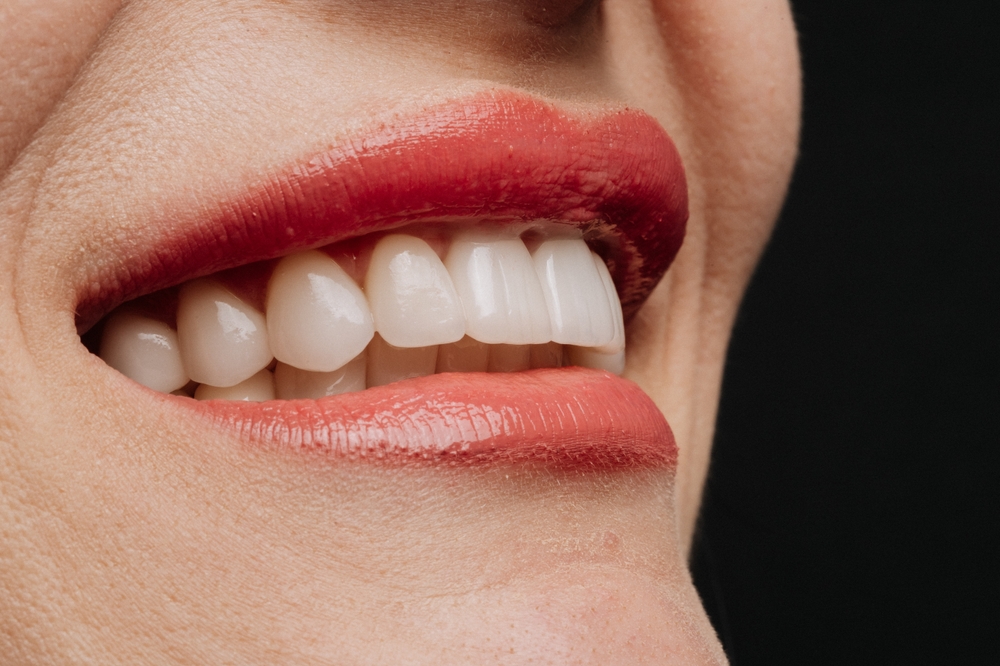
If you’re searching for dental crowns seminole fl, this guide explains what crowns are, why people get them, and what to expect if you need one. Dental crowns restore damaged or weak teeth, protect teeth after root canals, and improve the look of misshapen or discolored teeth. This article breaks down types of crowns, the step-by-step procedure, lifespan and care, costs and insurance tips for dental crowns in Seminole, FL, and when a crown is the best choice. Read on to learn how to make the right decision for your smile.
What are dental crowns?
A dental crown is a tooth-shaped cap that fits over a damaged or weakened tooth. Crowns restore strength, shape, and function. Common reasons for a crown include large decay that can’t be fixed with a filling, a cracked or broken tooth, covering a tooth after a root canal, or improving the appearance of a front tooth. Crowns protect what’s left of the natural tooth and help you bite and chew normally.
Common types of dental crowns available
All-ceramic / porcelain crowns
All-ceramic or all-porcelain crowns mimic natural tooth color and translucency, making them ideal for front teeth and visible areas. They offer the best cosmetic results and are metal-free, which is good for patients with metal sensitivities.
Zirconia crowns
Zirconia crowns are made from a very strong ceramic and are highly durable. They resist chipping and are a good choice for back teeth or patients who grind their teeth. Modern zirconia can also be shaded for a natural look.
Porcelain-fused-to-metal (PFM) and metal crowns
PFM crowns combine a metal core for strength with a porcelain outer layer for appearance. Metal crowns (gold or other alloys) are the most durable and wear-resistant but are noticeable in the smile. PFMs balance strength and look, though the metal line at the gum can sometimes show over time.
Temporary vs permanent crowns
Temporary crowns are placed if your final crown is being made in a lab or if time is needed between visits. They protect the tooth and let you eat and speak normally. Permanent crowns are cemented during the final visit and are designed to last for years with proper care.
The dental crown procedure: step-by-step
Initial exam and treatment planning
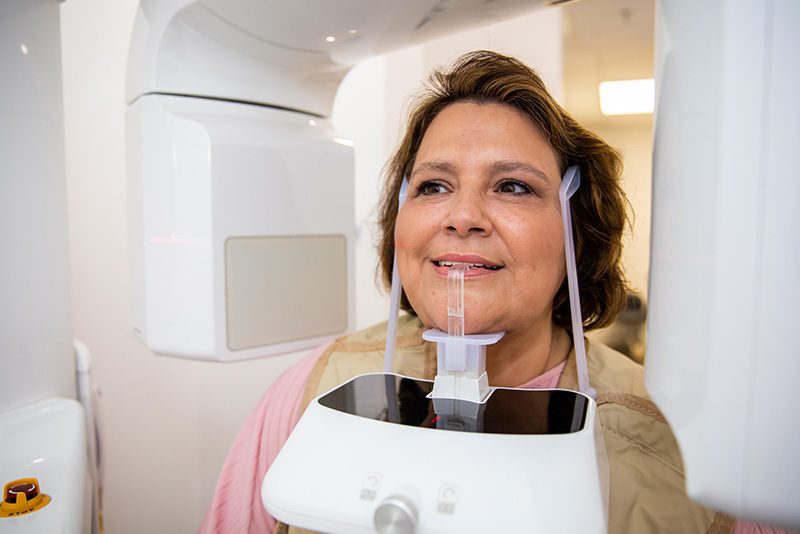
Your dentist will examine the tooth, check your bite, and take X-rays or scans to assess root and bone health. If decay or infection reaches the root, a root canal may be recommended first. The dentist discusses crown material options based on tooth location, function, and your cosmetic goals.
Tooth preparation and impressions or digital scans
The tooth is shaped to make room for the crown. Old fillings or damaged enamel are removed. Your dentist will take a physical impression or a digital scan of your mouth to create a crown that fits precisely. If a large portion of the tooth is missing, a buildup or post may be needed to support the crown.
Lab-made crowns vs same-day (CEREC) crowns
Lab-made crowns typically require a temporary crown and a second appointment for cementation. This process can take one to two weeks. Same-day crowns (often called CEREC) use digital scans and in-office milling so you can get a permanent crown in one visit. Each option has pros and cons: lab crowns can be very precise and esthetic; same-day crowns are faster and only need one appointment.
Cementation and final adjustments
Once the crown is ready, the dentist fits it, checks your bite, and makes minor adjustments. The crown is then permanently cemented with dental cement. You may have some sensitivity for a few days; if bite issues or pain persist, contact your dentist for an adjustment.
How long dental crowns last and tips to extend their life
Crowns typically last 5 to 15 years or longer depending on material, oral hygiene, and habits. Factors that shorten crown life include grinding (bruxism), poor oral hygiene, and chewing very hard foods. To extend crown life: brush twice daily, floss daily (clean under the crown margins), avoid biting hard items (ice, pen caps), and wear a night guard if you grind your teeth.
Costs and insurance considerations for dental crowns in Seminole, FL
Prices vary based on material, whether the crown is same-day or lab-made, and if additional work (root canal, core buildup) is needed. Typical ranges can be several hundred to a few thousand dollars per crown. Many dental plans cover part of the crown cost after deductible; check your benefits for crown coverage limits and waiting periods. Ask the office about in-house financing, payment plans, or third-party financing to help manage out-of-pocket costs for dental crowns Seminole, FL.
Choosing a crown vs other options
A crown is often the best choice when a tooth has significant damage or when a filling would be too large to retain strength. Veneers are thinner and mainly cosmetic for front teeth with good structure. If a tooth cannot be saved, extraction and an implant or bridge may be recommended. Key factors include how much natural tooth remains, bite forces, and cosmetic goals.
Risks, common problems, and when to call your dentist
Common issues include increased sensitivity, a loose or fallen crown, tiny chips in porcelain, or decay at the crown margin. Rarely, infection under a crown can cause pain or swelling. Contact your dentist right away for severe pain, a crown that feels loose, swelling, fever, or if the crown falls out — prompt care can often save the tooth.
Why choose NuSmile Dental for dental crowns in Seminole, FL
NuSmile Dental offers modern, patient-focused care for dental crowns Seminole, FL. The practice uses advanced digital tools and options like same-day crowns when appropriate. Dr. Nadia ONeal brings extensive implant and cosmetic training, focusing on gentle, customized care. Dr. Ryan Serra adds expertise in periodontal health and implant surgery, helping ensure strong results and healthy gums. NuSmile emphasizes clear communication, safety, and outcomes that restore function and confidence.
Next steps: How to get started with dental crowns in Seminole, FL
For your first visit, bring any dental insurance information, a list of medications, and recent X-rays if you have them. The consultation includes an exam, X-rays or scans, and a discussion of crown options and costs. If you want a second opinion or to schedule a crown consult, call NuSmile Dental to book a visit. Our team can explain materials, timelines, and payment options so you can make an informed choice. If you’re ready to restore a damaged tooth or improve your smile, schedule a consultation for dental crowns Seminole, FL at NuSmile Dental today.