
If you’re weighing replacement options for missing teeth, this post explains metal teeth implants and whether they might suit you. You’ll learn what metal implants are made of, how they differ from ceramic options and dentures, who makes a good candidate, the main benefits and risks, what the procedure looks like, costs and aftercare, and alternatives. By the end you’ll have clear questions to bring to a consultation so you can decide if metal teeth implants in Seminole, FL are right for your smile.
What Are Metal Teeth Implants?
Definition and common materials
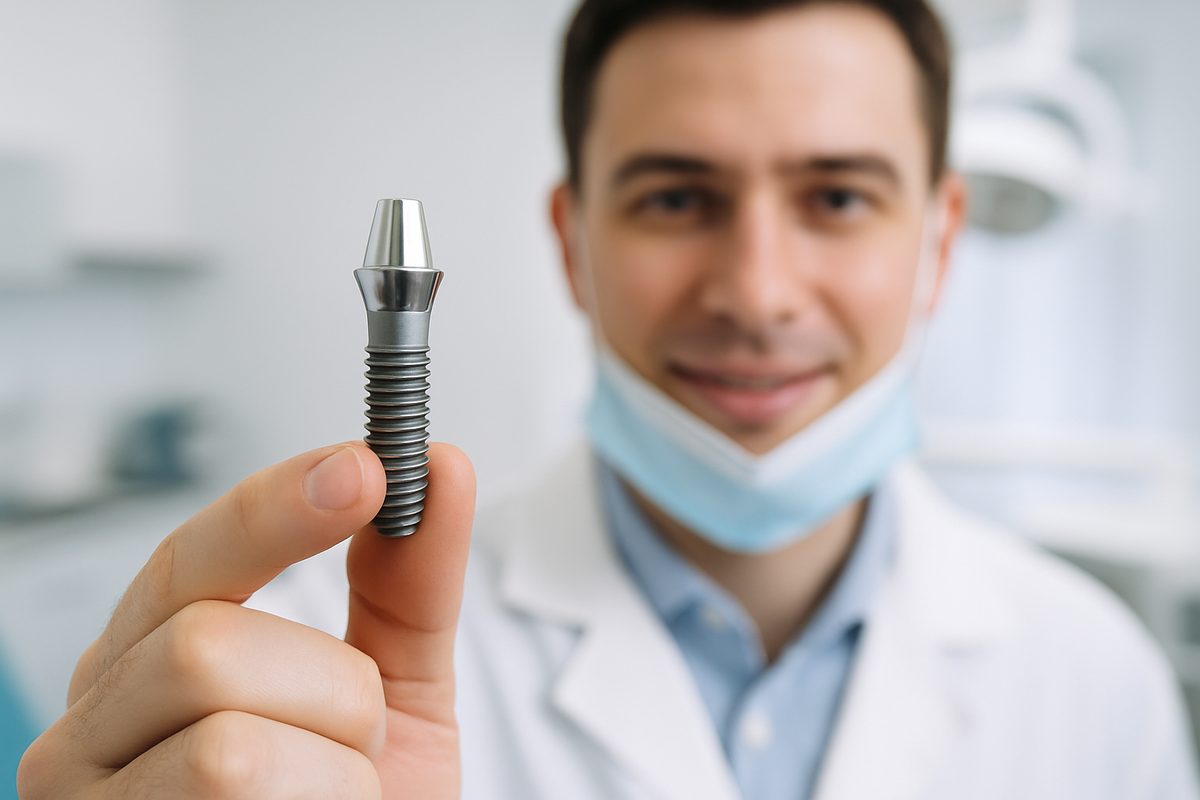
Metal teeth implants are artificial tooth roots placed into the jaw to support crowns, bridges, or full-arch restorations. Most are made from titanium or titanium alloys because those metals bond well with bone (osseointegration). Metal implants give strong support and are proven over decades of use. In some cases, zirconia (a ceramic) is used instead for aesthetic or metal-sensitivity reasons.
How metal teeth implants differ from other implant options
Compared with zirconia implants, metal teeth implants are often stronger and more widely studied, especially for complex restorations like All-on-X. Versus traditional bridges or removable dentures, implants preserve jawbone and feel more natural. Bridges may require altering adjacent teeth, and dentures can slip — implants avoid these issues but require surgery and adequate bone.
Who Is a Good Candidate for Metal Teeth Implants?
Oral health and bone requirements
Good candidates have healthy gums and enough jawbone to hold an implant. If bone has shrunk after tooth loss, a bone graft can rebuild volume so an implant will be stable. Your dentist will use imaging to measure bone and check gum health before recommending implants.
Medical and lifestyle considerations
Certain health issues affect implant success. Smoking, uncontrolled diabetes, and some medications can slow healing. Age alone is not a barrier, but overall health and healing ability matter. Your provider will review your health history and may coordinate care with your physician.
Pros and Cons of Metal Teeth Implants
Key advantages
Metal teeth implants offer durability, high long-term success rates, and work well for single teeth, multiple teeth, and full-arch solutions like All-on-X. They restore chewing strength and help prevent bone loss, making them a durable, functional choice for many patients.
Potential drawbacks and risks
Risks are low but include infection, implant failure, and rare allergic reactions to metal. Thin gum tissue can sometimes show a dark line near the gum. Surgery requires healing time and follow-up visits. Discuss these risks with your clinician to set clear expectations.
The Metal Teeth Implants Procedure: What to Expect
Consultation and planning
Expect a consult with imaging and digital planning to map implant placement and final restorations. Digital smile design helps predict aesthetic outcomes. If needed, grafting or staged treatment will be planned before implant placement.
Surgery and healing timeline
The implant is surgically placed into the jawbone, then left to heal and integrate for several months. Interim restorations may be used during healing. After osseointegration, your permanent crown or prosthesis is attached and adjustments are made for fit and comfort.
Cost, Longevity, and Aftercare for Metal Teeth Implants
Typical costs and financing options
Costs vary widely: single implants cost less than multi-unit or full-arch systems. Bone grafts, extractions, and advanced restorations raise the price. Many practices offer financing options, in-house plans, or third-party lenders to spread payments.
Maintenance and expected lifespan
With good oral hygiene and regular dental visits, metal implants can last decades. Brush, floss, and see your dentist and hygienist regularly to catch issues early and extend implant life.
Alternatives to Metal Teeth Implants
Consider zirconia implants for metal sensitivity or aesthetic needs, implant-supported dentures for a lower-cost full-arch option, fixed bridges where implants aren’t possible, or removable dentures for budget concerns. Each option has trade-offs in cost, longevity, and oral health impact.
Why Choose NuSmile Dental for Metal Teeth Implants
NuSmile Dental in Seminole, FL offers advanced implant solutions with digital planning and full-arch expertise. The team focuses on personalized care and modern technology to deliver predictable results.
Meet the implant team
– Dr. Nadia ONeal — Extensive implant training (Misch Institute, LVI, Malo Clinic); patient-centered approach. – Dr. Ryan Serra — Board-certified periodontist specializing in implant surgery and bone grafting.
Key technologies and services
All-on-X full-arch systems, full-mouth implant solutions, digital smile design, and advanced bone/gum grafting.
How to Decide and Next Steps
Bring a list of medical history, current medications, and any prior dental images to your consult. Ask about success rates, healing time, grafting needs, and financing. To learn if metal teeth implants in Seminole, FL are right for you, schedule a consultation with NuSmile Dental and get a personalized treatment plan.