

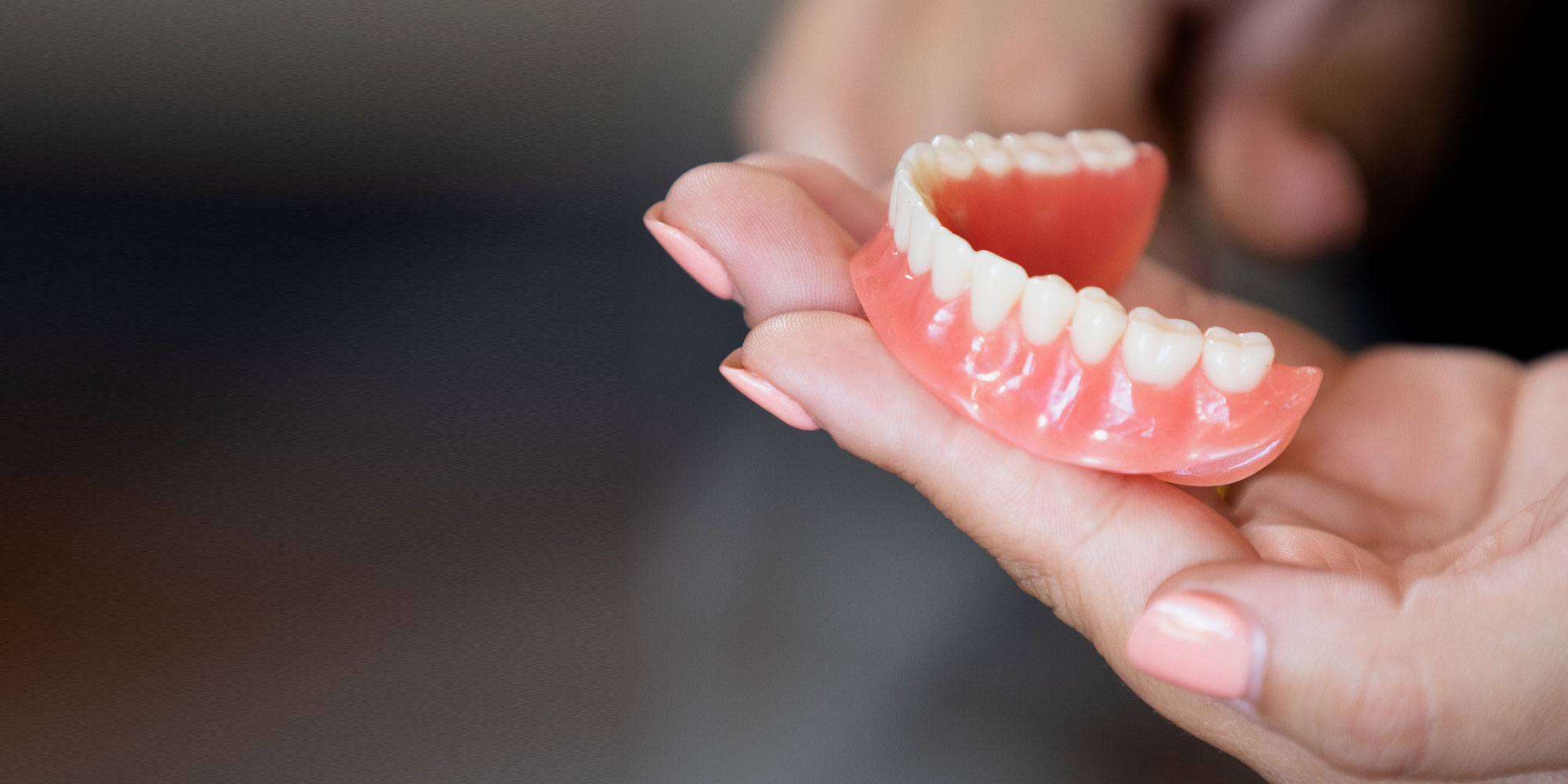
For millions of people, dentures offer a way to smile, speak, and eat again after losing natural teeth. What many long-term denture wearers aren’t told, though, is that dentures aren’t designed to be a permanent solution for oral health, and staying in them too long can lead to serious consequences. At NuSmile Dental, the focus goes beyond simply replacing teeth; it includes protecting total health, bone structure, nutrition, and long-term quality of life. Understanding these risks can help denture wearers near Seminole, FL, make informed decisions before the damage becomes difficult to reverse.
Why Don’t Dentures Function Like Real Teeth?
When natural teeth are lost, the bone that once supported them begins to shrink through a process called bone resorption. This process is fastest in the first months after tooth loss and continues gradually for life. Traditional dentures rest on top of the gums but do nothing to stimulate the bone underneath, so bone loss continues unchecked. Over time, this leads to loose-fitting dentures, visible facial changes, impaired chewing, and more complex health concerns.
What Are the Health Consequences of Wearing Dentures Too Long?
Accelerated Bone Loss and Facial Collapse
Without a tooth root stimulating the jawbone, it shrinks year after year. This can lead to a sunken or “collapsed” facial appearance, thinner lips, changes in bite alignment, difficulty wearing dentures comfortably, and greater challenges placing dental implants later without bone grafting. Some patients lose several millimeters of bone in just the first few months after extraction.
Reduced Chewing Efficiency and Nutritional Gaps
Dentures restore only a fraction of natural chewing power. Many wearers begin avoiding foods like vegetables, nuts, and meat, which can lead to vitamin deficiencies, reduced immune health, and higher systemic inflammation. Research has also associated tooth loss (edentulism) with a meaningfully higher mortality risk compared to people who retain their natural teeth, underscoring how connected oral health is to overall health.
Chronic Trauma and Micro-Damage to the Bone Ridge
Every shift or “bounce” of a denture creates microtrauma to the underlying bone ridge. Over time, this accelerates bone loss, creates sore spots and ulcers, and makes dentures increasingly unstable, compounding the very problem patients are trying to manage.
Higher Risk of Infection and Inflammation
Many denture wearers sleep in their dentures or wear them longer than recommended, which raises the risk of fungal infections like Candida, denture stomatitis, ulcers, tissue irritation, and increased bacterial load. In severe cases, ill-fitting dentures can even cause exposed bone.
Emotional and Social Impact
When dentures slip, click, or shift, confidence often suffers. Long-term denture wearers frequently report anxiety about eating in public, speech challenges, premature aging of facial features, and social withdrawal as a result.
Possible Cognitive and Systemic Effects
Emerging research suggests that chewing efficiency may play a role in brain function, and that proper oral function may support slower cognitive decline in older adults. It’s another reminder of how closely oral health is tied to whole-body wellness.
How Do Dentures Compare to Modern Implant Options?
| Feature / Outcome | Conventional Denture | Snap-On / Implant-Retained Denture | Fixed Implant-Supported Bridge |
|---|---|---|---|
| Stability / Fit | Relies on suction or adhesives; loosens as bone resorbs | Snaps onto implants; significantly improved retention | Fixed in place; closest to natural teeth |
| Bone Stimulation | None — accelerates bone loss | Partial stimulation slows bone loss | Full stimulation; best long-term bone preservation |
| Chewing Efficiency | Lowest chewing power | Moderate — better than dentures alone | Highest — closest to natural teeth |
| Comfort & Speech | May shift, click, or cause sore spots | More stable with fewer pressure points | Most natural comfort and speech clarity |
| Maintenance | Frequent relines and adjustments | Periodic maintenance of attachments | Routine hygiene; no relines needed |
| Longevity | Typically 5–10 years before replacement | Good longevity; parts may need periodic replacement | Excellent long-term success with proper care |
| Upfront Cost | Lowest cost | Moderate to higher investment | Highest upfront cost |
| Suitability with Bone Loss | Often unstable with significant bone loss | More forgiving; requires minimal bone | Requires adequate bone or grafting |
Why Does Acting Early Matter?
Waiting too long to address denture problems often narrows your future treatment options. As bone continues to disappear, costs tend to increase, surgery becomes more complex, implant placement becomes more challenging, and results become less predictable. Early intervention is consistently the best way to preserve health, function, and appearance.
How Can Current Denture Wearers Protect Their Health?
Even patients who aren’t ready for implants yet can take steps to protect their oral and overall health: remove dentures nightly, clean and soak them properly, see a dentist regularly, replace or reline dentures as needed, and ask early about implant-retained options before bone loss limits future choices.
Frequently Asked Questions
How long can you safely wear the same dentures? Most conventional dentures need relining or replacement every five to ten years as the jawbone continues to change shape. Regular dental checkups help catch fit problems before they cause damage.
Do all denture wearers experience bone loss? Yes, to some degree. Bone resorption is a natural consequence of losing tooth roots, and traditional dentures don’t stimulate the bone the way a natural tooth or an implant does.
Can implants be placed after years of wearing dentures? Often, yes, though significant bone loss may require grafting first to create a stable foundation. The sooner this is evaluated, the more options are typically available.
What’s the difference between snap-on dentures and a fixed implant bridge? Snap-on (implant-retained) dentures are removable but anchor onto a small number of implants for improved stability. A fixed implant-supported bridge is permanently attached and functions most like natural teeth.
Is it true that missing teeth can affect overall health? Research links tooth loss with nutritional deficiencies, higher systemic inflammation, and other whole-body health effects, largely due to reduced chewing efficiency and its downstream impact on diet.
What should I do if my dentures feel loose or uncomfortable? Don’t wait. A loose or shifting denture is often an early sign of bone loss, and a dentist can evaluate whether relining, a new denture, or an implant-supported alternative is the right next step.
You Deserve More Than Just Dentures
Losing teeth doesn’t have to define the rest of your life. Modern dental implant technology allows patients to preserve bone, restore confidence, improve chewing and nutrition, and reduce long-term medical risk. If you’re in dentures, or have been told they’re your only option, schedule a consultation with NuSmile Dental, or call (727) 393-6962, to explore stronger, healthier alternatives.