
Dental implants are one of the most reliable ways to replace missing teeth, but like any surgical procedure, they carry risks. Understanding those risks in plain terms, and knowing the warning signs and prevention steps, helps patients near Seminole, FL, get safer care and better long-term results from dental implants.
What Are the Real Dangers of Dental Implants?
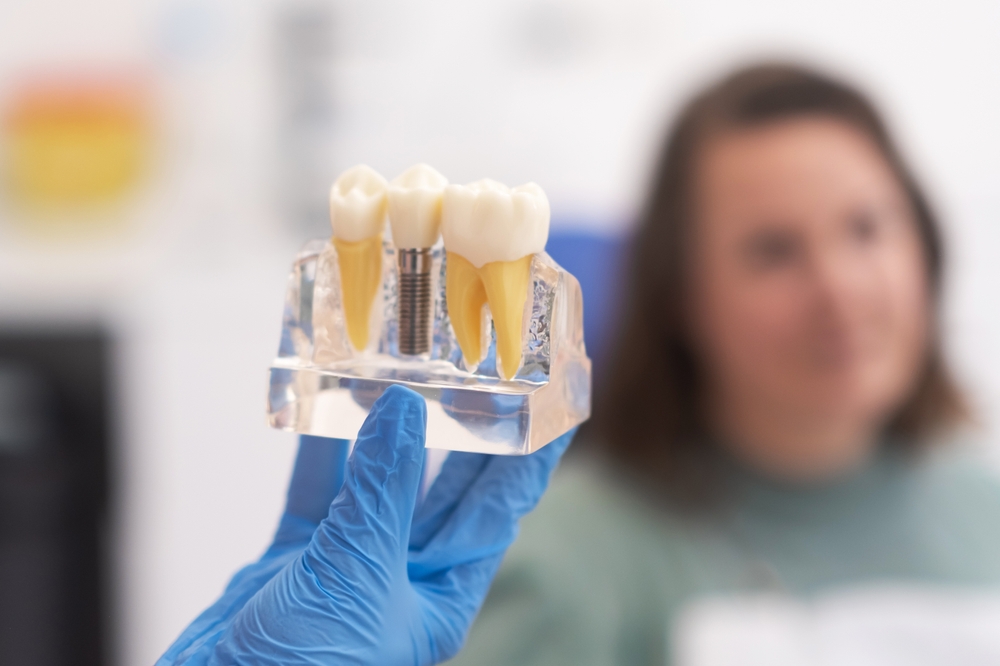
Dental implants are titanium posts that replace tooth roots and support crowns, bridges, or dentures. The risks generally fall into three categories: surgical risks, such as nerve or sinus injury during placement; biological risks, such as infection or poor bone healing; and mechanical risks, such as an implant loosening or breaking over time. Implants are a common, well-established procedure with a strong success rate, but understanding these risks helps patients spot problems early and choose the right provider.
What Are the Most Common Dangers of Dental Implants?
Infection and Peri-Implantitis
Bacteria can trigger inflammation around an implant, a condition called peri-implantitis. Warning signs include redness, bleeding, a bad taste, or pus near the implant site. Left untreated, infection can erode the surrounding bone and lead to implant loss. Caught early, it’s often manageable with professional cleaning and antibiotic treatment for gum disease.
Nerve Damage and Altered Sensation
Nerves in the jaw can occasionally be injured during implant placement, causing numbness, tingling, or a burning sensation in the lip, chin, or tongue. These symptoms are sometimes temporary, but if they appear suddenly or persist beyond a few days, patients should contact their dentist or surgeon right away.
Implant Failure and Loosening
An implant can fail if the surrounding bone doesn’t properly fuse to it, a process called osseointegration, if biting force is too strong, or if bone quality is poor going into surgery. Wobbling or pain while biting are the main symptoms. In many cases, once the underlying cause is addressed, the implant can be replaced. Learn more about what makes someone a good candidate for dental implants.
Sinus Problems and Bone Issues
Implants placed in the upper jaw sit close to the sinus cavity, and in rare cases, placement can perforate the sinus, leading to infection or chronic drainage. Patients with low bone volume in this area may need bone grafting before implant placement to reduce this risk.
What Symptoms Mean You Should Call Your Dentist Right Away?
Certain symptoms should never be ignored: persistent severe pain, swelling that keeps getting worse, fever, sudden implant mobility, heavy bleeding, or sudden numbness. If any of these occur, contact your dentist or seek emergency dental care immediately. Acting quickly can prevent more serious, harder-to-treat damage.
How Can You Avoid Implant Complications Before Surgery?
Choose an Experienced Implant Team
Not all providers have the same level of implant training. Look for a clinician with dedicated implant experience and strong patient reviews, and ask whether they use CBCT 3D imaging and digital planning technology. These tools allow for more precise placement, which significantly lowers the risk of nerve or sinus injury.
Prepare Your Health Beforehand
Managing underlying health conditions, such as diabetes, stopping smoking if possible, and reviewing any medications that could affect healing all improve surgical outcomes. A thorough bone assessment beforehand, including grafting first if needed, reduces the risk of implant failure down the line.
How Can You Avoid Implant Complications After Surgery?
Follow Home Care Instructions Closely
After surgery, sticking to a soft-food diet, using salt water rinses, keeping the surgical site clean, and avoiding smoking all support proper healing. Watching for early infection signs and contacting your dentist promptly if something looks off can prevent small issues from becoming serious ones.
Keep Up with Follow-Up Visits
Regular checkups, professional cleanings, and a night guard for patients who grind their teeth all help implants last for the long term. Ongoing maintenance is one of the most effective ways to prevent complications after the initial healing period.
How Does NuSmile Dental Reduce the Risk of Dental Implant Complications?
NuSmile Dental uses CBCT imaging, digital treatment planning, and advanced grafting techniques to minimize complications before they start. The practice offers both full-arch and single-tooth implant systems, with personalized treatment plans designed to reduce risk for each individual patient in the Seminole, FL, area.
Dr. Nadia O’Neal brings extensive implant and cosmetic dentistry training, including advanced fellowships and international residencies, to every case. Dr. Ryan Serra is a board-certified periodontist focused specifically on gum and bone health. Together, their combined expertise plays a direct role in preventing and treating implant complications.
Frequently Asked Questions
Are dental implants generally safe? Yes. Dental implants have a strong, well-documented success rate, and most complications are preventable with proper planning, an experienced provider, and good aftercare.
What is peri-implantitis, and how serious is it? Peri-implantitis is inflammation and infection around a dental implant. It can be serious if untreated, since it can erode supporting bone and lead to implant loss, but it’s often treatable when caught early.
Can a failed dental implant be replaced? In many cases, yes. Once the underlying cause of failure, such as insufficient bone or infection, is addressed, a new implant can often be placed successfully.
How long does numbness after implant surgery typically last? Mild, temporary numbness is common in the first few days. Numbness that is sudden, severe, or lasts longer than a few days should be evaluated by your dentist promptly.
Does technology like CBCT imaging actually reduce risk? Yes. 3D imaging and digital planning allow the surgical team to see the exact location of nerves, sinuses, and bone density before surgery, which significantly reduces the chance of injury during placement.
What should I ask a dentist before getting implants? Ask about their implant training and experience, whether they use CBCT imaging and digital planning, what their complication and success rates look like, and what their follow-up care process involves.
Concerned About Implant Risks? Take the Next Step
If you’re considering dental implants or want a second opinion on your treatment plan, gather your medical history, note any current symptoms, and schedule a consultation. Contact NuSmile Dental in Seminole, FL, or call (727) 393-6962, for a personalized implant risk assessment and a clear, honest plan forward.